FRYDERYK SZULGIT
Udowodnij mi, że tak nie jest
Prove to me that this is not the case
12-23.10.2026
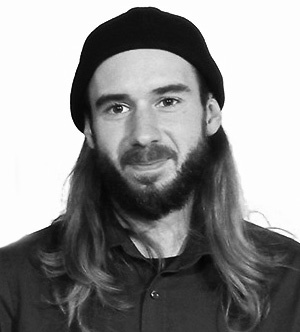
Fryderyk Szulgit (ur. 1993); malarz i muzyk - absolwent wydziału jazzu na poznańskiej Akademii Muzycznej i malarstwa na Uniwersytecie Artystycznym w Poznaniu. W sztuce zajmuje się malarstwem, fotografią, instalacją, wideo. Swoje prace artystyczne prezentował na wystawach zbiorowych i indywidualnych m.in. w Galerii BWA, Ostrowiec, Galeria Nowa Scena UAP, Galeria Duża Scena UAP, Poznań, Galeria Rdza, Poznań.
Fryderyk Szulgit (b. 1993); painter and musician, who graduated from Jazz Department at the Academy of Music in Poznań and Painting Department at the University of the Arts in Poznań. His artistic practice includes painting, photography, installation and video. He has presented his work in group and solo exhibitions at among others as BWA Gallery in Ostrowiec, Gallery Nowa Scena UAP, Gallery Duża Scena UAP in Poznań and Rdza Gallery in Poznań.
Magdalena Kłosowska:
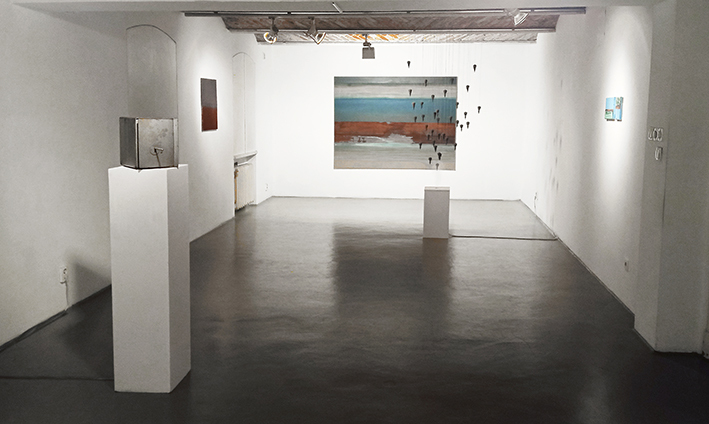
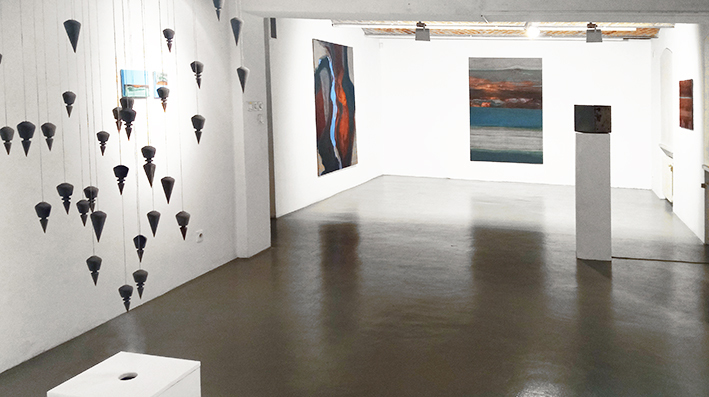
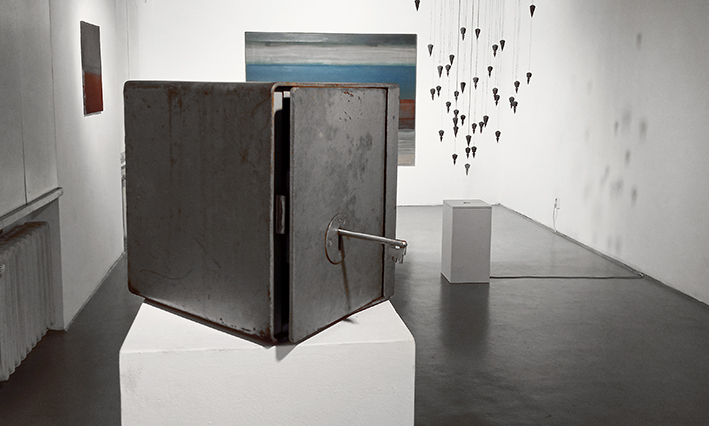
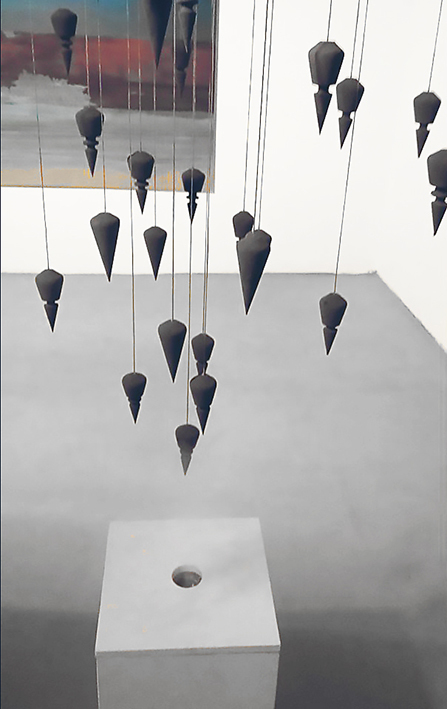
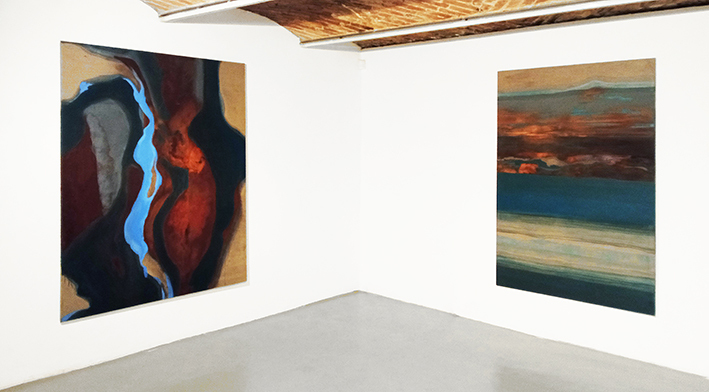
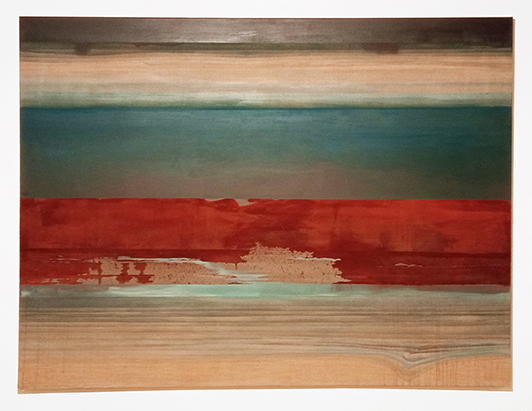
Czy czajniczek krążący wokół Słońca, którego nie da się dostrzec, na pewno nie istnieje? Fryderyk Szulgit sięga do myśli Bertranda Russella o mechanizmach retoryki, które przerzucają ciężar dowodu na wątpiących. Ten schemat manipulacji, znany z teorii spiskowych, staje się rdzeniem wystawy. Przenosząc ten problem na grę z materią, artysta pyta o granice przekonań i rolę błędu. W zaprezentowanych pracach przypadek staje się częścią procesu, a przyjęcie dowolnej interpretacji służy jedynie ukojeniu naszej potrzeby porządku. Kto ma zatem rację w sporze o sens dzieła?
Does a teapot orbiting the Sun—one that cannot be detected—truly not exist? Fryderyk Szulgit draws upon Bertrand Russell’s ideas regarding rhetorical mechanisms that shift the burden of proof onto those who harbor doubts. This pattern of manipulation, familiar from conspiracy theories, forms the core of the exhibition. By translating this issue into an engagement with physical matter, the artist explores the limits of belief and the role of error. In the works on display, chance becomes an integral part of the process, while the adoption of any given interpretation serves merely to soothe our need for order. Who, then, is right in the dispute over the meaning of a work of art?